Publications


Death in the Dark: The PNW's Race to Stop the Bat Plague
South Seattle Emerald
A cross-border team pilots a probiotic to slow white-nose syndrome, supported by Seattle-area community science programs that monitor local bat populations.

Image contains AI
Rodenticides Continue to Affect Seattle Wildlife
South Seattle Emerald
In a recent study, 125 dead raptors, including owls, Cooper's hawks, and red-tailed hawks, tested positive for rodenticides, according to the latest report from Urban Raptor Conservancy, a Seattle-based organization of avian scientists. However, many other species continue to be exposed to these substances and go underreported.

Wildlife Reporting Urban Jungle Creates Backyard Conservationists
Beautiful News
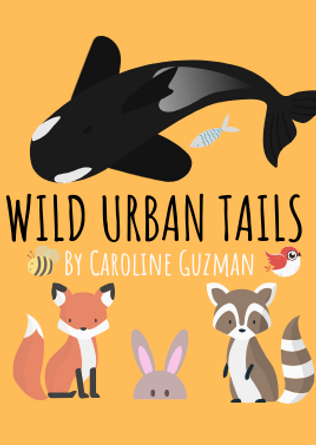
Today, over 50% of the world’s population live in cities. As more people move into urban areas, animals are forced to adapt to the concrete jungle. Urbanisation causes habitat loss and fragmentation and leads to reduced biodiversity. To share the importance of coexisting with animals, Caroline Guzman created the film series Wild Urban Tails. “When people feel that conservation is not accessible, that can be a challenge because people will just assume that it’s not their problem,” Guzman says

Keeping The Pressure On: What’s Ahead And Who’s Left Behind In Changing The Child Care System
Investigate West
(Collab Author)
The problem was child care and how to pay for it. Would the larger paycheck from the new job knock her out of eligibility for Washington state assistance with child care costs?

Image contains AI
Why Don't We See More People of Color on the Trails of Washington State?
South Seattle Emerald
A friend from India took me to Snow Lake last year. At Snow Lake, there are certain birds so accustomed to humans they will land on your hand or arms for bird seed. Having that connection with the birds made me realize I should stop being anxious about a future I cannot control and start living in the present as wild animals do to enjoy such unprecedented moments. On our way back, my friend and I noticed there were not many People of Color on the trail and we discussed how lovely it would've been for our families to experience what we did.

Image contains AI
In Seattle, the pandemic separates pets from owners — but there’s help
Cascades PBS
Cash-strapped pet owners struggling to take care of their furry friends are finding aid through shelters across the city.

Des Moines Marine Mammal Hospital Is Pacific Northwest's First
South Seattle Emerald
For many people, one of the perks of living in Washington state is the chance to see charismatic marine wildlife like orcas, sea lions, otters, seals, and many others. But an average of 578 marine animals end up on shore dead or in need of care on Washington coastlines every year, according to the National Oceanic and Atmospheric Administration (NOAA). Now, about 100 of these at-risk animals can be treated per year inside Washington state's first marine wildlife hospital, SeaLife Response, Rehabilitation, and Research (SR3).

Series: Beautiful News: Citizens of the World
WaterBear Network
Squirrels, seagulls, ducks – seemingly innocuous features of urban landscapes, yet still fascinating animals in their own right. Photographer Caroline Guzman is on a mission to reveal the lives of the creatures that roam our cities. Born in New York City and now based in Seattle, Guzman is combining her passion for journalism and conservation to highlight the wildlife we encounter on the daily. “I want people to see that we can learn from every animal,” she says.
With her video series Wild Urban Tails, Guzman shares information about the role these species play in the ecosystem and how we can live in harmony. “It is crazy that animals have been able to evolve and survive despite all our actions,” she says. “The main goal of the project was to bridge the gap between urban animals and people.” By broadcasting the stories of urban wildlife, she’s ensuring our cities can become places of coexistence.